Working Together to Tackle Poverty
 Facebook
 Twitter
 Linkedin
 Google +
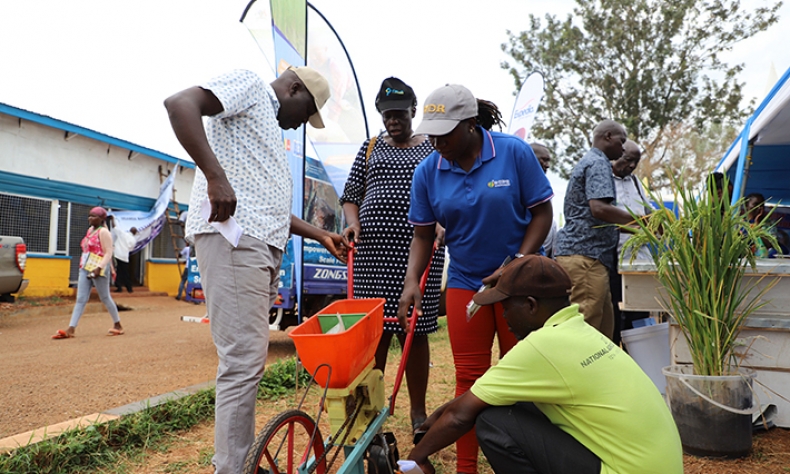
Taken together, China serves both as a domestic model and as a financier and policy partner internationally.
In recent years, hunger and poverty have remained persistent challenges globally. Despite impressive economic growth in many countries, millions still suffer from food insecurity, malnutrition, and extreme poverty, particularly in the Global South. Recognising this, the G20 has launched a key initiative, the Global Alliance Against Hunger and Poverty (GAAHP), aimed at accelerating progress towards the United Nations Sustainable Development Goals (SDGs), specifically SDG 1 (no poverty), SDG 2 (zero hunger), and related goals focused on reducing inequality and fostering global partnerships.?
Within this alliance, countries like South Africa and China have emerged as pivotal actors. Their contributions, influence and strategic priorities offer insight into the potential success of the GAAHP, while also highlighting areas where challenges may arise. The GAAHP was formally launched during Brazil’s G20 presidency in 2024, with the mission to support and accelerate efforts to eradicate hunger and poverty, reduce inequalities and revitalise global partnerships for sustainable development.
China’s role
China’s involvement in the GAAHP and its broader approach to fighting hunger and poverty reflect its ambitions to be a leading actor in the Global South. Its contributions span domestic development, international financing, policy commitments, and knowledge transfer.
China has lifted about 800 million people out of poverty, meeting its UN SDG poverty reduction targets well ahead of schedule. This achievement gives China strong credibility when advocating for international anti-poverty efforts.
Under the Global Development Initiative (GDI), China has committed substantial financial and technical resources to poverty reduction, infrastructure construction, and overall development in the Global South. Specifically, President Xi Jinping has proposed over 1,100 development projects under the GDI, alongside significant financial mechanisms, such as Silk Road Fund, to support cooperation.
At the 2024 G20 Summit in Rio de Janeiro, China formally endorsed the GAAHP and pledged actions to enhance trade, investment, and development cooperation aimed at developing countries. China also emphasised the importance of “common prosperity,” fair global governance, and inclusive development.
China has a long history of technical cooperation through South–South channels. For example, it has collaborated with the UN Food and Agriculture Organisation, sending experts, sharing agricultural technologies and co-funding programmes to build capacity in partner countries. These efforts reinforce the knowledge pillar of the GAAHP.
China has also taken steps to cut tariffs for least developed countries and to further open its markets as part of its contribution to a more equitable global trade environment. Moreover, the emphasis within the GAAHP on policy instruments that scale up sustainable agriculture, resilient food systems, and social protection aligns closely with China’s own domestic policy priorities.
Taken together, China serves both as a domestic model and as a financier and policy partner internationally. Its role helps to anchor the GAAHP not merely in rhetoric, but in substantial commitments of funding, technical cooperation, and policy engagement.
South Africa’s role
South Africa’s role in the GAAHP and in the G20 more broadly positions it as both a leading advocate for the Global South, especially Africa, and an example of how countries with internal challenges can still engage effectively on the global stage.
South Africa holds the rotating presidency of the G20 at a time when issues such as food security, poverty, climate resilience and inequality are at the forefront of global discourse. Under its presidency, South Africa has championed climate finance, debt relief, transparent credit rating systems and stronger global cooperation to support the most vulnerable countries.
Under South Africa’s presidency, the G20 has established a dedicated Food Security Task Force, and the G20 Agriculture Working Group has assumed a prominent role. During the in-person meetings in Durban in April, for example, South Africa advocated for recognising the linkages between hunger, rural poverty, climate resilience and social protection.
South Africa believes that successful measures must be country-owned and tailored to the national realities. The country has been a strong advocate for robust social protection systems, climate-resilient agriculture and inclusive food systems. South Africa’s support for the GAAHP’s policy instruments, which target small-scale farmers, vulnerable populations, and rural areas, illustrates this approach.
South Africa has also called for more transparent credit rating methodologies, reduced risk premiums for developing nations, and greater representation in international institutions. These measures are seen as structural enablers for poverty reduction and for allowing Global South countries to access finance and investment on more equitable terms.
Areas for improvement
China and South Africa’s roles, though significant, also underscore both the opportunities and challenges facing the GAAHP. Both countries bring political legitimacy and valuable experience: China through its large-scale poverty reduction achievements, and South Africa as a representative of Africa, voicing grassroots concerns in international policy forums.
Their engagement helps to ensure that the GAAHP is not perceived as a Western-led initiative, but rather, as one driven by the Global South itself – lending it both moral and political weight. China’s investment and technical cooperation complement South Africa’s agenda-setting and advocacy. For instance, China’s trade and scientific collaboration can bolster South Africa’s priorities in promoting resilient agriculture and climate adaptation.
However, significant challenges remain. It is still early in the process for many GAAHP pledges, and translating them into tangible outcomes for the most vulnerable states will require strong coordination, adequate financing, and rigorous accountability and monitoring. Moreover, many Global South countries continue to struggle with high debt levels, climate risks, and limited access to affordable financing. Even with policy instruments in place, structural barriers persist – reflected in South Africa’s calls for debt relief and greater transparency in credit rating systems.
The path forward
For the GAAHP to succeed by 2030 and its contributions to be truly meaningful, it can adopt a number of strategies, drawing on the experiences of China and South Africa.
Mobilising development banks, bilateral donors, and private finance is essential. China’s financial contributions play a pivotal role, while South Africa’s advocacy for transparent credit rating systems and debt relief helps to make financing more accessible. Equally important is ensuring that funds reach local governments and communities where they can have the most direct impact.
Knowledge sharing, technical assistance, and policy learning among Global South countries can further accelerate progress. China’s South-South cooperation initiatives provide a valuable model, while South Africa’s engagement through the African Union and its policy advocacy offer platforms for aligning African countries’ development priorities.
Hunger and poverty are especially affected by climate change. To be effective, the GAAHP needs to integrate climate adaptation, sustainable agriculture, biodiversity protection and disaster prevention into its interventions. South Africa’s Agriculture Working Group sessions and China’s emphasis on green development both point in this direction.
The GAAHP represents a bold and timely effort to address some of the most intractable global challenges of our time: hunger, poverty, and inequality. South Africa and China play critical yet distinct and complementary roles. China contributes through major domestic achievements, large-scale development finance, and extensive South-South cooperation. South Africa, in turn, leverages its G20 presidency to elevate the agenda – linking global commitments with grassroots realities, advocating for institutional reform, and championing the needs of vulnerable populations, particularly in Africa.
However, the success of the GAAHP will depend not only on the contributions of influential states, but also on sustained implementation across participating countries, inclusive governance, adaptability to climate and socio-economic shocks, and adequate resourcing. If these conditions are met, the alliance could help to bring the world closer to a future in which hunger is eradicated and poverty is no longer a permanent condition.?
The author is?Director of Centre for Africa-China Studies, University of Johannesburg.