Grape Wall of China: Is 2021 the Year Chinese Wine Comes of Age?
 Facebook
 Twitter
 Linkedin
 Google +

China’s most recent foray into the wine industry is still in its early stages, with many experts expecting a bumpy ride for China’s growing wine producers.
Editor’s Note:?China is in the midst of a wine renaissance, one that is driving a lucrative multibillion-dollar market for both domestic and international wine-producers. But while its recent foray into the industry maybe new, China in fact has a long and complex history of making and drinking wine, one that continues to influence consumers today.??
In part II of the Grape Wall of China, we look at how China’s wine market became more mature, competitive and why 2021 maybe the year local producers finally come of age. Part I of the Grape Wall of China can be found here.
In the 1980s, China’s wine industry was like an unripe grape – small, loosely formed and lacking in quality.
But by the 1990s things had begun to change. New regulations were brought in to sure up the standard of domestic wine, while the introduction of boutique vineyards helped increase the quality and size of China’s wine market. China’s vineyard land increased ten-fold between 1980 and 2000, growing to 282,970 hectares in the space of twenty-years.
But by far the biggest impact on China’s wine industry was to come in 2001, with its membership into the World Trade Organisation (WTO) lowering tariffs on foreign wine imports.
Prior to 2001, all foreign wines had 65 percent tariffs slapped on them, making them too expensive for the domestic market. But through joining the organization, wine tariffs on bottled wine fell to just 14 percent, while bulk wine tariffs dropped to 20 percent.
Imports spring rise in wine consumption??
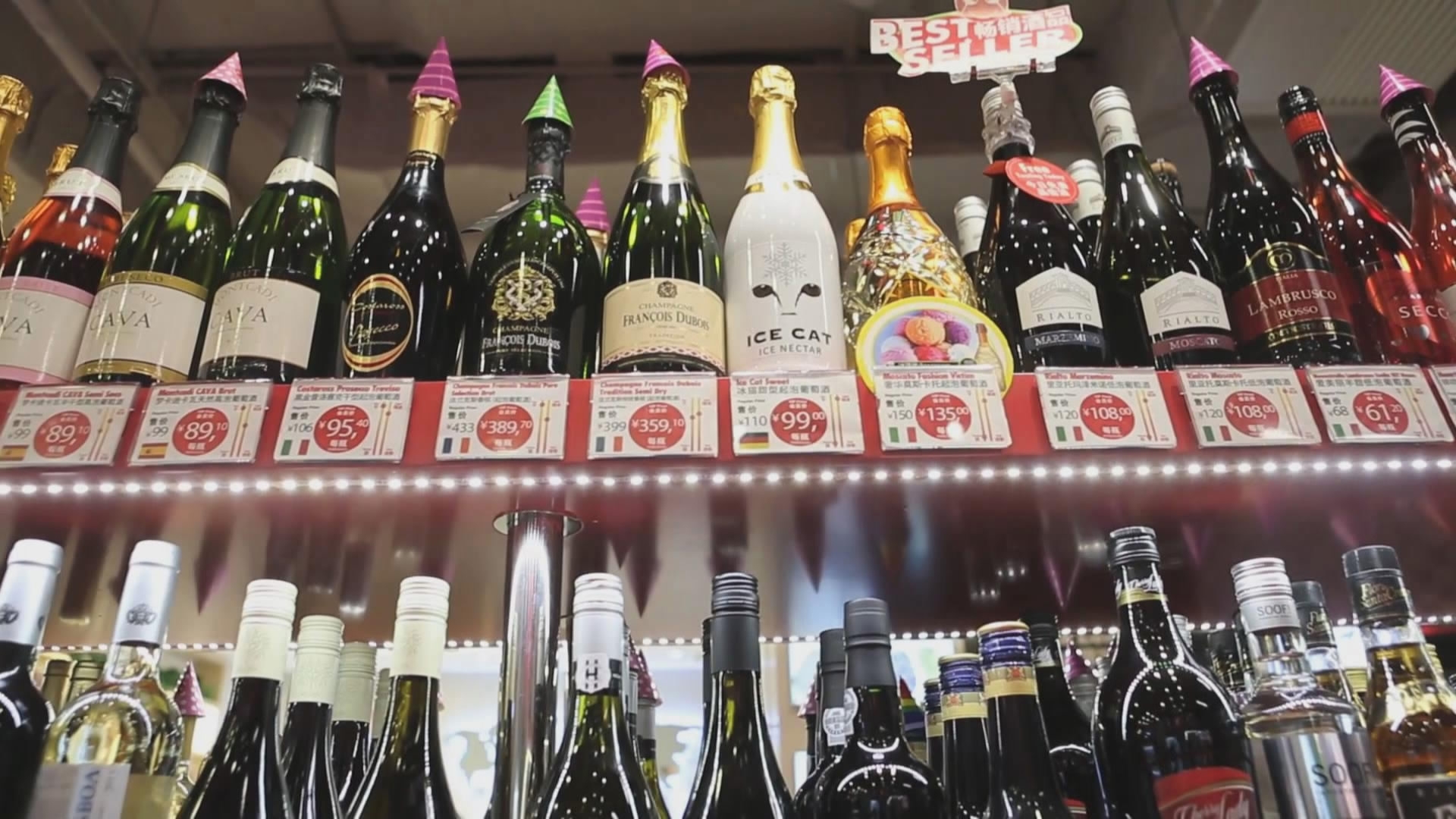
The result was an explosion of foreign wines into the Chinese market, giving Chinese consumers access to wines from as far as France, Spain, Italy, the United States, Australia, South Africa and Chile. This increased choice resulted in a significant rise in wine consumption that has turned China into one of the most sought-after wine markets in the world today.
According to market and consumer data provider Statista, wine consumption in China has grown from 1.09 billion litres in 2000 to 1.78 billion litres in 2019, making it the fifth leading wine consumer worldwide.
Driving this rapid increase in recent years has been Chinese Millennials, who thanks to greater amounts of disposable income, greater wine education, as well as a different attitude to drinking alcohol from their parents, have made wine an increasingly profitable business.
“Millennial’s are the generation who are spending more on wine,” says Zekun Shuai, a Chinese wine expert and writer based in Beijing. “They [younger generation] certainly have more disposable income, they tend to embrace new things and are more acceptive of new stuff. Their tastes have changed a little bit, they are more inquisitive about wine and want to find out what good wine should be.”
According to online market insight provider Foodnavigator-Asia, there are now 5.4 million millennials in China who prefer drinking wine, and of whom 20 percent drink wine on a weekly basis. While Baijiu is still the country’s most popular alcoholic drink with over 10 billion litres distilled annually, wine is increasingly becoming a close rival, especially with China’s richest consumers.
In the latest Hurun Chinese Luxury Consumer Survey 2020, respondents picked wine (39 percent) as the most sought-after alcoholic beverage among high-net-worth individuals (HNWI), especially women. And with the rise of online sales in China making wine more accessible than ever before, with more than 20 percent of all wine sold via e-commerce platforms and expected to rise to 50 percent in the next decade, sales of wine are only expected to increase further.
Rising imports reduce domestic producers’ demand
Not that greater consumption has translated into greater sales for China’s domestic wine producers.
Prior to joining the WTO, China was completely self-sufficient in producing wine for its consumers, but in the 15 years that followed, that number had dropped to 64 percent, according to a report by the Wine Economics Research Centre (WERC) at the University of Adelaide.
Last year alone China produced only 452 million litres of wine compared to importing 594 million litres, according to a report by the China Alcoholic Drinks Association, while purchasing habits also seem to be sliding in favour of imports.
A survey by the Hong Kong Trade Development Council (HKTDC) looking at the buying habits of Chinese wine and spirit consumer from six cities including Beijing, Shanghai and Guangzhou, found that for 43 percent of respondents, imported wine made up the majority of their purchases.
This is despite there being between 135 and 200 wine producers in China – an increasing number of which are quality, boutique wineries – and boasting the second largest vineyard area worldwide.
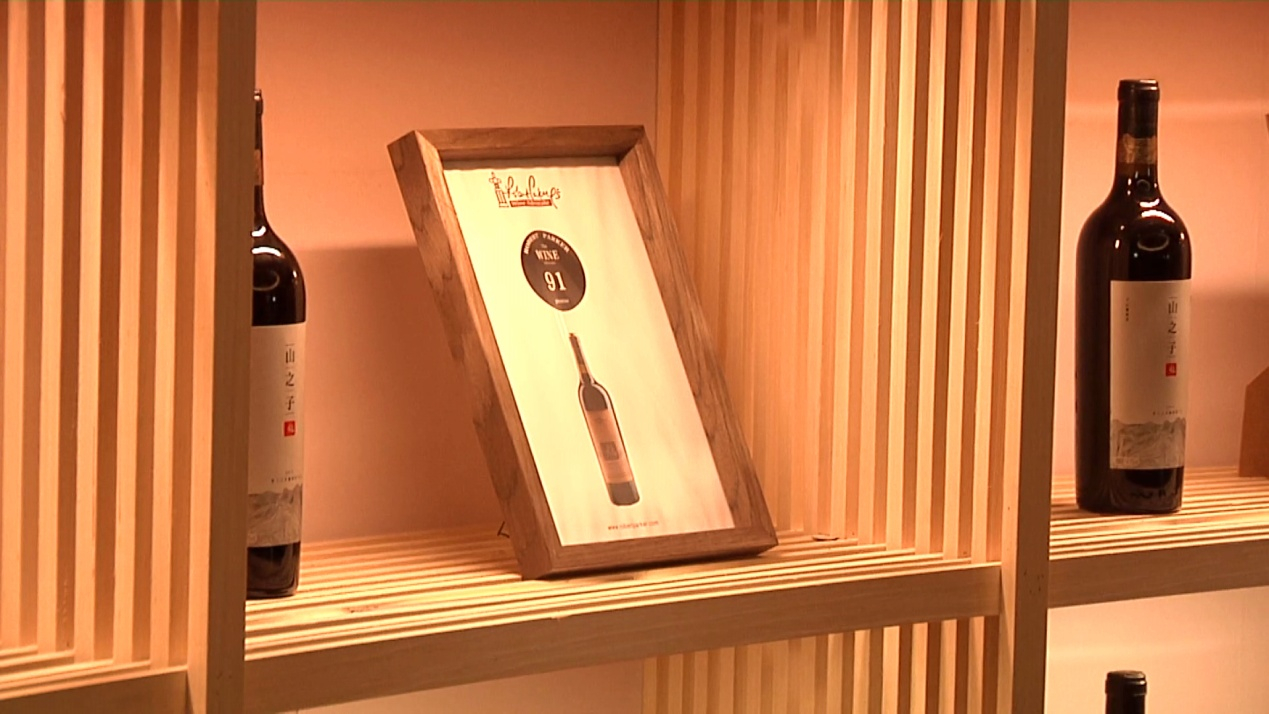
The rise in boutique wineries in particular from areas such as Ningxia, Shandong, Xinjiang and the suburbs of Beijing, have coincided with a rise in international recognition for Chinese wines, with leading wine magazine Decanter awarding 120 medals to Chinese wines in its 2020 Decanter World Wine Awards.
So why are the locals not interested??
For Chinese wine expert Jim Boyce, founder of the Grape Wall of China blog, despite the recent “pronounced” shift to wine quality in recent years, China’s wine industry is still burdened by its past failures.
“There has been a pronounced shift to wine quality for more than a decade but turning that into significant sales has not been easy. Local producers are still burdened by a past in which competition was lighter and wine sales were driven by a few massive producers, with marketing and branding often the focus rather than quality.”
Internationally acclaimed wine critic and journalist James Suckling believes Chinese wines also suffer from something of an identity crisis, unable to determine who their main consumers are.
“The reputation of Chinese wines is very good among wine lovers, but they are not real consumers. [Chinese] Wineries are still trying to find who their consumers are, with better sales only for a number of established producers. Most are still struggling. A lot of people send their wines to competitions every year and get a silver or gold, but that doesn’t translate into sales.”
Pricing has also been an issue according to Shuai. “The pricing is wrong, it’s really wrong. A lot of wines from China are too ambitiously priced. Entry level wines at 100rmb to 200rmb is very ambitious pricing. This is why people complain that Chinese wine is too expensive.”
2021 – An opportunity for Chinese wine?
Expensive and exclusive are unlikely to do well for the alcohol and beverage industry in 2021 as both companies and consumers reel from the devastating economic impact of COVID-19.
French alcohol conglomerate Pernod Ricard recently revealed the full scale of the coronavirus’ impact on its business with end of year sales down by 8 percent and warning of a “prolonged downturn” at the start of this year. The 2020 ProWein Business Report, commissioned by the Institute for Wine and Beverage Research at the University of Geisenheim, has further warned of the long-term effects of COVID-19 on the industry, calling it “the most acute challenge” to the wine industry in the coming years.
For China’s domestic wine producers however, 2021 is being seen as a significant opportunity to gain ground on their competitors.
The impact of coronavirus to supply chains in 2020 meant less foreign wine was imported into China in 2020, and coincided with a rise in Chinese consumers buying domestic wines. Industry analysts Wine Intelligence’s found in a survey from August 2020 that 54 percent of Chinese respondents said they were now buying more Chinese wine than before the pandemic. 49 percent of people also said they had more confidence in the domestic wine than pre-COVID, hinting that this positive shift to Chinese wines may become a longer lasting trend for the future.
There have also been greater efforts by wine producers in certain regions to hone in on China’s largest drinking demographic, making their wines less ambitiously priced and launching campaigns that Chinese Millennials find attractive.
“Ningxia are promoting China-Chic as a way to target millennials who now buy a lot of Chinese stuff and are proud of China and Made in China things, like cars and now wines,” says Shuai. “Wine is actually one of the best things in China, and we expect in the next 5 to 10 years for the China-Chic movement to really take off.”
Recent tariffs of up to 212 percent on Australian wines have also add another layer of optimism for domestic wine makers, all of whom have a chance of moving in on the gap left by the decision. For Shuai, the coming together of these factors represents a real chance for local winemakers with quality and passion to increase their position among Chinese consumers. But he has his reservations.
“This [year] offers a good chance for Chinese wine producers, but the question is; will they seize this chance? They need to target the right consumers, lower down the price and make it China-Chic. Boutique vineyards that have quality, they have a future, and it’s a chance for them. I don’t think it will be a chance for the big brands anymore, especially with the millennials. It’s a future for the small producers with good, quality wine.”
China’s most recent foray into the wine industry is still in its early stages, with many experts expecting a bumpy ride for China’s growing wine producers. The next few years it seems are crucial if quality local wines are to finally establish a foothold in a domestic market dominated by factory wines and imports.
But over the course of its 2000-year-old history of making and drinking wine, local wine producers have never been in a better position than they are today. They have the vineyards; they have the awards and they have a growing domestic market who enjoy quality wine. The trick will be combining all three, but there is no doubt many producers will be hoping that this year is finally their moment to succeed.
The article reflects the author’s opinions, and not necessarily the views of China Focus.