Along the Silk Road
 Facebook
 Twitter
 Linkedin
 Google +
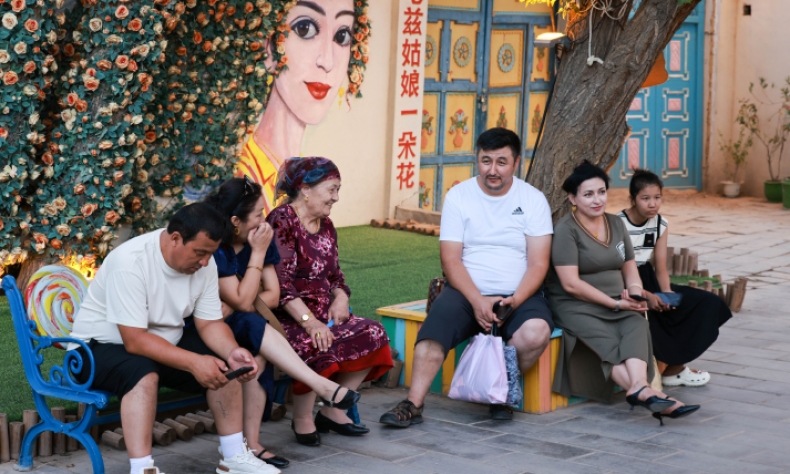
Xinjiang today stands as both a historical repository and a contemporary stage for cultural exchange.
Arriving in Xinjiang, visitors are immediately struck by the vastness of the landscape. Urumqi, the regional capital, rises against the backdrop of the Tianshan Mountains, a modern metropolis framed by the rugged ridges that once guided ancient caravans. The air carries the dry edge of desert winds, and the streets pulse with both contemporary energy and echoes of a trading past. For centuries, this northwestern frontier of China has served as a meeting ground for civilizations, and today its role is being reinterpreted through a growing emphasis on cultural tourism.
Xinjiang’s historical significance lies in its position along the Silk Road, the network of routes that connected China to Central Asia and beyond. Traders, monks and envoys traversed deserts and mountain passes, bringing with them silk, jade, spices and manuscripts. That legacy remains visible in the region’s museums, bazaars and culinary traditions, now carefully integrated into tourism experiences that blend preservation with accessibility.
The Xinjiang Uygur Autonomous Region Museum in Urumqi exemplifies this approach. Its galleries guide visitors through millennia of history, beginning with the renowned Tarim mummies, whose preserved features offer a poignant reminder of human endurance in harsh environments. Display cases of Silk Road-era textiles, coins and manuscripts trace the networks of exchange that linked East and West. Interactive installations and maps situate these artifacts within broader historical narratives, underscoring Xinjiang’s role as a conduit for commerce and cultural integration. The museum’s design emphasizes continuity, presenting heritage as a bridge between past encounters and present-day understanding.
Echoes of the Silk Road
Beyond Urumqi, Kashi (Kashgar) stands as a focal point for experiential cultural tourism. Located near the borders of Kyrgyzstan, Tajikistan and Pakistan, the city has historically served as a major hub on the Silk Road. Today, its old town has been partially restored to highlight traditional craftsmanship and trade practices. Narrow alleys lined with mud-brick houses lead to workshops where artisans shape copper, weave carpets and carve wood in view of passersby. Markets display embroidered caps, musical instruments and handwoven textiles, while public performances of music and dance animate courtyards and squares. The city thus offers both the atmosphere of historical preservation and the vitality of contemporary cultural expression.
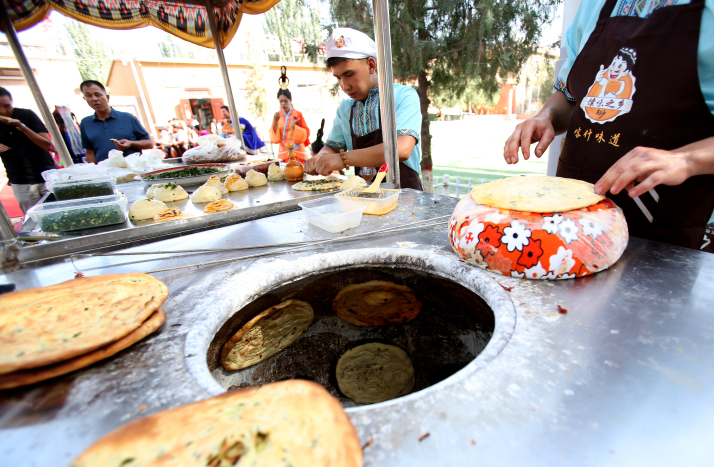
Culinary traditions form another essential dimension of Xinjiang’s tourism appeal. Local dishes such as hand-pulled noodles, skewered lamb, pilaf and freshly baked naan are widely available in markets and restaurants. Many establishments emphasize preparation methods, allowing visitors to watch chefs stretch dough into noodles or season meat with cumin and chili. Serving as more than just displays of technique, these culinary traditions bridge modern gastronomy and centuries of Silk Road exchange, highlighting food as a living cultural archive.
The landscapes surrounding Xinjiang’s cities enhance this narrative. Deserts, mountain ranges and river valleys not only provide dramatic scenery but also contextualize the routes and challenges that shaped the Silk Road. Guided tours to sites such as the Taklimakan Desert or the Pamir Plateau allow visitors to experience the geographical forces that defined ancient travel. These journeys help situate urban experiences within their broader environmental setting, offering a sense of how terrain influenced trade, settlement and cultural contact.
Preserving living heritage
Cultural tourism in Xinjiang is supported by a network of museums, cultural centers and preservation initiatives. Smaller institutions often focus on local crafts and oral traditions, offering workshops in weaving, pottery or instrument-making. Hospitality providers contribute to the immersive experience by incorporating heritage elements into their design: Boutique hotels and guesthouses often feature traditional architecture and interiors inspired by regional motifs. Such efforts allow visitors to engage with living traditions rather than viewing culture solely as a relic of the past.
The region’s approach to cultural tourism also reflects careful curation. Heritage sites and public performances are presented in ways that emphasize both historical depth and contemporary vitality. Restoration projects and urban planning initiatives ensure that visitors encounter a cohesive narrative, one that underscores Xinjiang’s place in global history while ensuring its traditions remain accessible. The balance between authenticity and tourism-oriented presentation is a recurring theme, reflecting both the opportunities and responsibilities of cultural preservation.
The significance of these efforts extends beyond recreation and economic development. By emphasizing Silk Road heritage, Xinjiang’s cultural tourism serves as a bridge between cultures, drawing domestic and international visitors into dialogue with the region’s history. Museums, markets, performances and landscapes function collectively as interpretive spaces, fostering appreciation of both historical exchange and living tradition. For many, the result is not only an educational journey but also an opportunity to reflect on the enduring relevance of cultural connectivity.
Visitors to Xinjiang encounter a multilayered experience. Museums offer structured narratives that trace the movement of peoples and goods, while markets and workshops provide participatory encounters with crafts and cuisine. The landscapes frame these interactions, reminding visitors that geography has always shaped human connection. Together, these elements create a vivid portrait of a region where past and present meet in tangible and engaging ways.
As cultural tourism in Xinjiang evolves, it demonstrates the potential of heritage to serve as a source of learning and a driver of local development. Investments in infrastructure and preservation have opened up opportunities for communities to share their traditions with wider audiences. At the same time, the integration of music, crafts and cuisine ensures that tourism engages not only with monuments but also with living culture. The result is an experience that is informative, immersive and sustainable.
Xinjiang today stands as both a historical repository and a contemporary stage for cultural exchange. Through its museums, performances, landscapes and culinary traditions, the region showcases its role in the Silk Road’s legacy while revealing the vitality of ongoing practices. In doing so, Xinjiang affirms its significance not only as a destination but as a bridge across time and cultures.
The author is a Pakistani journalist based in Beijing.