A Tale of Two Speeches
 Facebook
 Twitter
 Linkedin
 Google +
As the world moves further into an era of geopolitical competition and economic transformation, the stark differences between the leadership styles of China and the U.S. will continue to shape global dynamics.
In early March, China and the U.S.?outlined their respective government’s priorities and vision for the future.
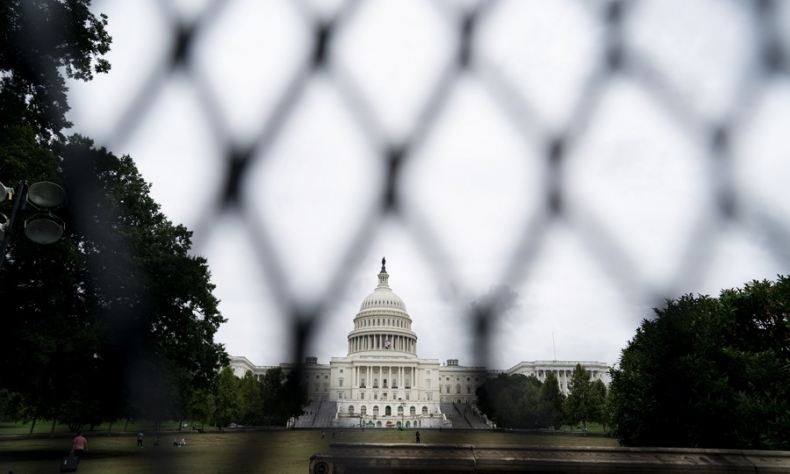
Premier Li Qiang delivered the Report on the Work of the Government at the Third Session of the 14th National People’s Congress in Beijing on March 5, detailing China’s economic performance, policy direction and long-term strategy. A day later, President Donald Trump addressed a joint session of Congress in Washington, D.C., setting forth his administration’s legislative agenda and political aspirations.
The contrast between these two speeches was stark. The Report on the Work of the Government was a meticulously structured, data-driven account of China’s economic progress and a roadmap for its continued growth. Trump’s speech, in contrast, was a highly rhetorical, self-congratulatory and often divisive performance, aimed more at energizing his political base than articulating a coherent governance strategy. While both projected confidence, the substance and style of their speeches reveal fundamental differences in leadership, policy vision and governance philosophy—differences that will have profound implications for their countries and their engagement with the world.
China’s global vision vs. America’s isolationist stance
Li’s delivery was characteristically methodical. He spoke with the measured cadence expected of a Chinese premier, emphasizing stability, progress and national unity. The speech was without any personal anecdotes or bombastic rhetoric. Instead, it focused on hard numbers and policy results. His approach reflected China’s deeply institutionalized governance system, in which the emphasis is placed on collective decision-making and long-term planning rather than personal charisma or partisan political battles. More significantly, Li underscored China’s commitment to global cooperation, outlining China’s role in strengthening economic partnerships through initiatives such as the Belt and Road Initiative, green energy collaborations and expanded trade agreements with emerging economies.
Trump’s address, by contrast, was performative. His signature style—populist, aggressive and self-congratulatory—was on full display. He relied heavily on grandiose statements, emotional appeals and hyperbolic assertions of success. Throughout his speech, he frequently veered into campaign-style rhetoric, attacking political opponents, demonizing immigrants and painting an exaggerated picture of America’s supposed decline before his leadership. His delivery was crafted to rally his base rather than unify the nation, making it feel less like a presidential address and more like a campaign rally staged within the halls of Congress. Trump’s focus on “America First” policies reinforced a retreat from international commitments, favoring protectionist trade policies and reduced multilateral engagement.
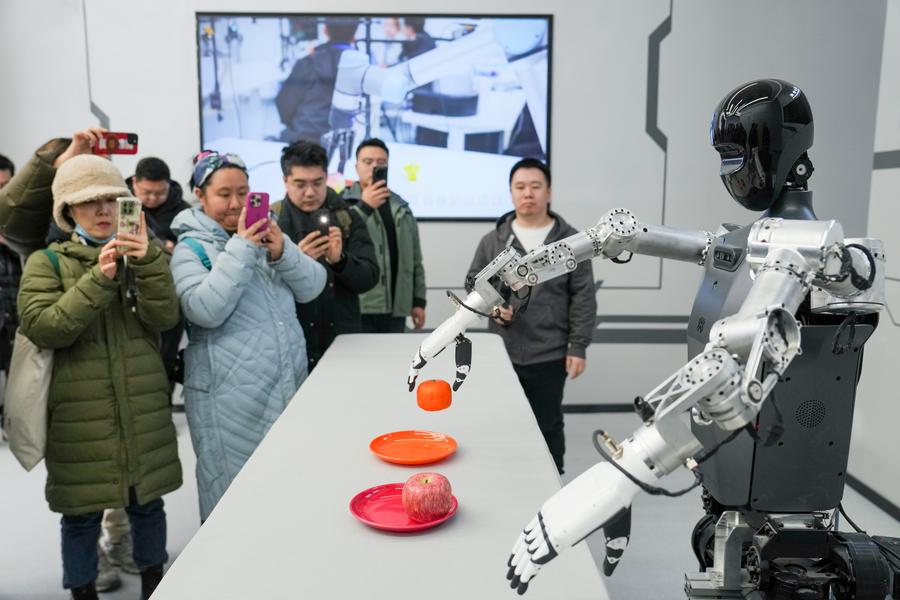
Li’s address covered a wide range of topics, including economic growth, technological innovation, social welfare and environmental progress. He cited specific achievements, such as a steady GDP growth rate, the creation of millions of new urban jobs, and advancements in hi-tech manufacturing and artificial intelligence. He also discussed China’s push for green energy, highlighting reductions in pollution levels and improvements in air quality across major cities. Importantly, Li reiterated China’s willingness to cooperate with the United Nations, the G20 and regional blocs like ASEAN to address global challenges, from climate change to poverty reduction.
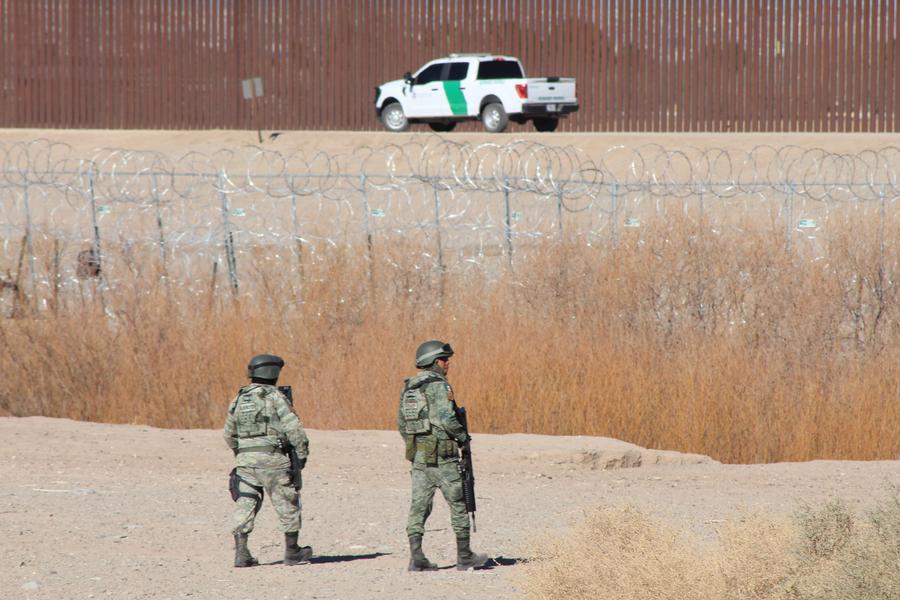
Trump, on the other hand, delivered a speech laden with political slogans but light on substantive policy details. He boasted about his administration’s swift actions on border security, tax cuts and deregulation, but failed to provide empirical evidence or data to back his claims. He painted an alarmist picture of immigration, justifying aggressive deportation policies and heightened border security measures without addressing the economic and humanitarian consequences. He spoke in broad strokes about revitalizing manufacturing and imposing tariffs to protect American industry but ignored the risks of trade wars and inflation. National defense was another key theme, with Trump announcing plans for a missile defense shield and increased military spending, a move that aligns more with his nationalist agenda than with pragmatic governance. His speech lacked any meaningful discussion of how the United States will?engage with international allies, support global security efforts or participate in trade?agreements.
While both leaders projected optimism about their nation’s future, Li’s speech was grounded in reality, supported by tangible accomplishments and clear policy directives. China’s commitment to its growing role as a global stabilizer was apparent, emphasizing increased cooperation with developing nations, multilateral institutions and international organizations. The government’s focus on economic stability and industrial modernization ensures that China remains competitive in the global economy, offering opportunities for emerging economies to develop trade partnerships and investment collaborations with China.
Trump’s policies, on the other hand, raise serious concerns about America’s declining international credibility. His continued focus on border security and trade protectionism overshadows pressing global issues such as climate change, global health and technological collaboration. His withdrawal from international agreements, coupled with unpredictable diplomatic moves, creates a landscape of uncertainty for America’s global allies. While Trump’s rhetoric may appeal to segments of the American electorate, it risks isolating the U.S. further from critical geopolitical partnerships and weakening its influence in international affairs.
The future of global?engagement
China’s leadership style, as reflected in the report, aligns with the technocratic,?long-term planning approach that has defined China’s governance model for decades. The report projected stability, continuity and a clear roadmap for national progress. The policies are designed to ensure economic resilience and technological self-reliance while simultaneously expanding China’s diplomatic reach in Africa, Latin America and Europe. China’s strategy to foster interconnectivity, economic diplomacy and cooperative global governance—an approach that positions China as a central player in shaping the future world order.
Trump’s leadership, conversely, is driven by populist nationalism and political opportunism. His speech was less about governance and more about consolidating his personal power and attacking opponents. His approach reflects a fundamental lack of strategic vision in global affairs, as his administration continues to prioritize isolationist policies over international collaboration. His emphasis on military buildup rather than diplomatic engagement suggests a shift away from constructive global leadership.
China’s 2025 government work report and Trump’s joint address to Congress encapsulate two vastly different leadership approaches by the two most consequential nations in the world today. The report was an exercise in strategic governance, emphasizing economic resilience, technological innovation and long-term stability. China’s policies, though not without challenges, are structured around global economic partnerships, multilateral cooperation and diplomatic engagement.
Trump’s address, on the other hand, was a partisan spectacle designed to rally his supporters rather than address national and international challenges with substantive policy solutions. His rhetoric, while effective in energizing his political base, risks deepening international divisions, weakening alliances and eroding America’s influence on the world stage. The contrast between the two speeches is clear: One is focused on governance and global collaboration, the other on political grandstanding and isolationist rhetoric.
As the world moves further into an era of geopolitical competition and economic transformation, the stark differences between the leadership styles of China and the U.S. will continue to shape global dynamics. China’s methodical and cooperative planning may ensure continued economic and diplomatic progress, while the America’s inward-looking and divisive policies risk further eroding U.S. global leadership. The question now is whether America can afford another four years of leadership driven by theatrics rather than thoughtful global governance.
The author is president of AmericaChina. He is also an honorary fellow of the Foreign Policy Association, senior advisor to the China-United States Exchange Foundation, executive council member of the Center for China and Globalization and visiting professor of the School of International Studies at Sichuan University.