America’s Short-Sighted Tariffs Risk Long-Term Pain
 Facebook
 Twitter
 Linkedin
 Google +
Washington’s measures, driven by short-term political gains over sustained collaboration, threaten global trade stability and harm all stakeholders.
Washington imposed a new 10% tariff on Feb. 1 on Chinese exports to the United States, citing fentanyl-related issues. This decision was framed as an expansion to previous U.S. tariff measures, which were enacted over alleged intellectual property theft, forced technology transfers and similar concerns. Yet, in reality, the move entails significant economic and geopolitical consequences, marking a substantial escalation in trade policy. These actions challenge the multilateral trading system based on World Trade Organization rules and raise serious global concerns.
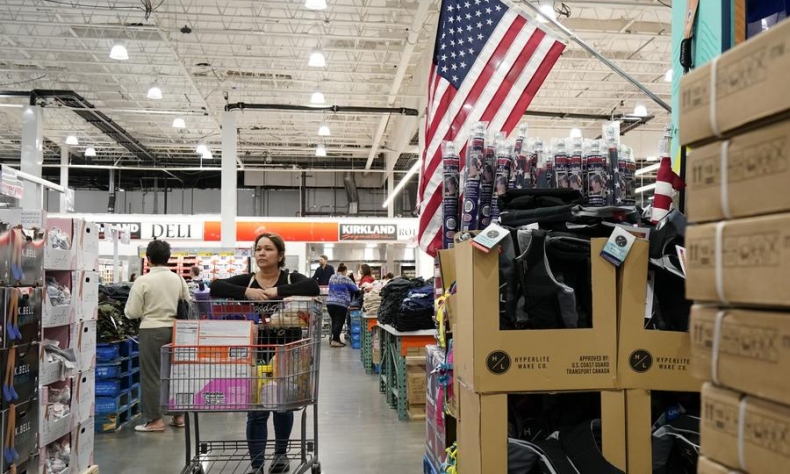
The tariffs on Chinese goods could reduce U.S. economic output by 0.4% and drive total tax burdens beyond the $1 trillion mark between 2025 and 2034. Bloomberg reports the U.S. may see a 15% decline, demonstrating the broad impact of unilateral penalties against one of America’s largest trading partners. These effects could further dampen economic confidence among U.S. citizens. The tariffs are projected to raise the average tax burden for American households, creating political challenges for the Trump administration.
While proponents of “America First” contend these measures protect national interests and promote economic strength, the reality is more complex. As retaliatory tariffs take effect and vital U.S. economic sectors – from automotive and energy to food production – prepare for the fallout, Washington’s approach appears increasingly misguided. Far from securing long-term economic stability, these measures risk undermining it, raising doubts about the effectiveness of protectionist policies.
The geopolitical ramifications of these tariffs are evident. Historically, the U.S. and China have managed their complex relationship through tense yet sustained dialogue, establishing guardrails to stabilize interactions between the world’s two largest economies. However, the unilateral tariffs on Chinese goods undermine this delicate balance, forcing China to defend its trade interests with countermeasures.
Tariff wars yield no winners – a lesson from past escalations. In 2018, when the Trump administration imposed tariffs on billions of dollars’ worth of Chinese goods, the move failed to achieve its goals. Instead, the tariffs fueled prolonged geopolitical friction, ultimately necessitating a return to the negotiating table to de-escalate tensions. This pattern shows that punitive trade measures often worsen conflicts rather than resolve them, raising questions about the wisdom of such strategies.
From the current vantage point, Washington may portray these tariffs as a form of “leverage” to curb the Chinese economy and amplify fears of the so-called China threat beyond its borders. However, this framing is misleading. While tariffs and trade escalations create an illusion of influencing another nation’s behavior and asserting U.S. dominance in the rules-based international system, they stem from populist rhetoric and protectionist policies. The approach overlooks a key reality: Washington cannot undermine China’s legitimate business interests, export competitiveness or economic resilience under the guise of protecting U.S. national interests.
By persisting with these punitive measures, the U.S. risks triggering a destructive cycle of action and reaction, which could erode decades of hard-won political and economic goodwill between the two nations. Rather than securing strategic advantages, this approach threatens to undermine global economic stability.
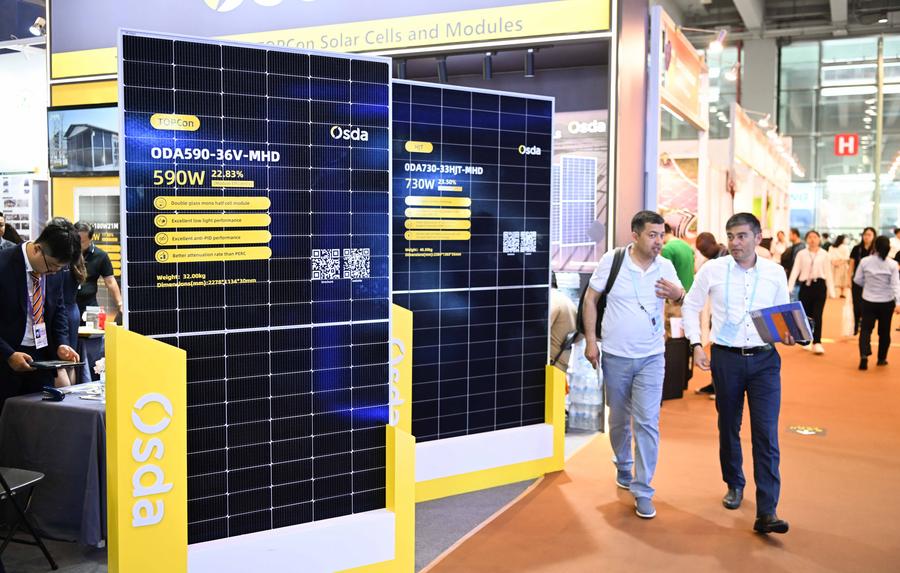
The ripple effects of U.S.-China trade tensions extend far beyond their bilateral relationship. The numerous economies intertwined with both nations as trade and commodity partners may feel compelled to adopt their own protectionist measures, further politicizing the principles of free and fair trade.
As China’s Foreign Ministry emphasized earlier this month, “The U.S.’s unilateral tariff hikes severely violate WTO rules. This move cannot solve the U.S.’s problems at home and, more importantly, does not benefit either side, still less the world.” This critique underscores a broader truth: Unilateral actions in trade policy rarely yield constructive outcomes. Instead, they fragment the international trading system, erode trust and encourage a decline in global economic governance. Washington’s measures, driven by short-term political gains over sustained collaboration, threaten global trade stability and harm all stakeholders.
Moreover, the decision to impose tariffs on Chinese goods carries far-reaching implications for the rules-based international trading system. First, it risks escalating trade disputes, as evidenced by China’s recent complaint to the WTO, which condemned the measures as “discriminatory and protectionist” and in violation of established trade rules. By abandoning the principle of preventing unilateral intervention in governed trade, the U.S. sets a precedent that allows political preferences to justify targeting other economies.
The rules-based system, at its core, prioritizes free market forces and the autonomy of individual economies to make trade decisions based on their unique interconnectedness with small-, medium- and large-scale economies. Yet, the imposition of tariffs raises critical questions: How will such measures influence the behavior of targeted states? Will they encourage other economies to dismantle trade barriers, or will they provoke the creation of new ones? And how will higher tariffs affect trade costs between two economies that are deeply integrated with multiple regions?
By failing to address these broader implications, the U.S. demonstrates a concerning disregard for the rules and shared expectations that underpin global trade consensus. This approach not only undermines the stability of the international trading system but also paves the way for future disruptions, leading to a more fragmented and unpredictable global economy.
Multilateral institutions like the WTO must play a pivotal role in ensuring that tariff disputes are resolved in alignment with each member country’s trade commitments. This includes managing consultation requests with the U.S. and enforcing the principle that countries cannot use tariffs to discriminate against products based on origin. Maintaining consistency between national actions and WTO obligations is essential to preserving a seamless and minimally disruptive international trading system.
Swift and fair dispute resolution can restore trust between conflicting parties and prevent tariffs from becoming weapons in the global market. By reinforcing the rules-based framework, the WTO can mitigate the risks of escalation and ensure that trade remains a tool for cooperation rather than conflict. In doing so, it can safeguard the stability and predictability essential for global economic growth.
Hannan Hussain is co-founder and senior expert at Initiate Futures, an Islamabad-based policy think tank.