China-Arab Cooperation: A Boost to Multipolarity and International Financial Stability
 Facebook
 Twitter
 Linkedin
 Google +

Given increasing concerns about U.S. hegemonism and the state of the U.S. dollar, ‘dedollarization’ is a new trend.
President Xi Jinping’s historic visit to Saudi Arabia, which included the first China-Arab States Summit and the China-Gulf Cooperation Council (GCC) Summit, is a landmark for the emerging multipolar world. A significant concern today is international financial stability given the relative decline of the United States and other international factors. A “petro yuan” may come to serve as a stabilizing force.
International trade and investment depend upon a stable global financial system. The present global financial system since World War II has been based upon the U.S. dollar. Washington prints dollars and expects the rest of the world to treat dollar-denominated U.S. Treasury bills as the featured reserve currency to be held by central banks. But such a role for the dollar is increasingly in question.
Bretton Woods system faltering
Back in 1944, prior to the end of World War II, U.S. President Franklin Roosevelt arranged for an international conference on economic affairs. It was held at the Bretton Woods resort in the state of New Hampshire thus giving the name to the agreements reached there.
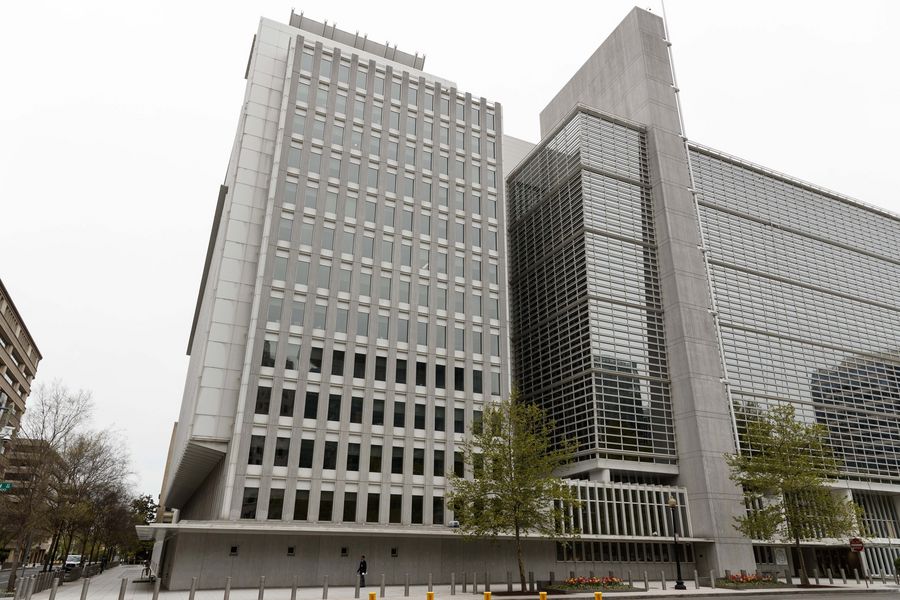
The fundamental concern of Roosevelt and the assembled leaders and experts was the task of creating stability and development in the anticipated post war world. The war ended in 1945 and the Bretton Woods monetary system was in place. It also created the World Bank and the International Monetary Fund (IMF) as part of the overall financial architecture.
Basically, the Bretton Woods system placed the U.S. dollar at the center of the global economy as the central bank reserve currency. Technically, this meant central banks holding dollar denominated U.S. Treasury bills with the dollar having a fixed exchange rate with gold by weight and with the exchange rates between currencies being fixed.
The fixed exchange rates between currencies meant fixed versus the U.S. dollar and the value of foreign currencies was denominated in gold at a determined rate. This arrangement would later change along with the gold backing of the U.S. dollar.
The Nixon “Shock”
In 1971, U.S. President Richard Nixon supported ending the dollar’s convertibility into gold. During the 1960s, a dollar surplus arose and the U.S. did not have enough gold to cover all the dollars circulating in the world thus making the dollar overvalued.?The Kennedy and Johnson administration’s effort to support the dollar and reform the Bretton Woods system failed.
Ending fixed exchange rates agreed to by sovereign states meant floating exchange rates determined by “market forces”. Dollar devaluation was feared in the foreign exchange market and so several runs on the dollar started as traders sold dollars.
The “Group of Ten” (G10) industrialized countries created a plan to create new exchange rates based on a devalued US dollar. Called the “Smithsonian Agreement”, it was to go into effect in December 1971 but it was not successful.
The G10 group was formed in 1962 and included governments of eight IMF members. They were: the United States, the United Kingdom, Belgium, Canada, France, Italy, Japan, the Netherlands plus the central banks of Germany and Sweden. Switzerland was added in 1964. The agreement gave increased funding to the IMF so that it would have increased lending resources to rescue troubled currencies such as the British pound sterling in 1964.
In 1973, speculative market pressure against the U.S. dollar caused it to devalue. The six European members of the G10 then agreed to tie their currencies together and to “float” them against the dollar as determined by “market forces”. This move was nicknamed “The Snake” back in the day and it ended the Bretton Woods fixed exchange rate mechanism.
The Nixon Shock led to the instability of floating currencies that were subject to market manipulation. The relative value of the dollar fell by a third during the 1970s and since then has continued to be unstable and subject to severe volatility. Between 1985 and 1995, the dollar lost over 30 percent, then recovered, then fell sharply again from 2002-2013.
Entering the G20
The Group of 20 (G20) was formed in 1999 with a focus of global economic governance. The idea was to promote international coordination of economic policy through existing financial architecture: IMF, World Bank, and the World Trade Organization (WTO).? Originally, the organization met only at the finance minister level but subsequently it moved the leader level.
The international context for the G20 was various debt crises in emerging markets, the 1997 Asian financial crisis, and the 1998 Russian financial crisis. The U.S. itself was impacted in 1998, for example, by the collapse of the Long-Term Capital Management hedge fund.
In the then globalizing world economy mechanisms such as the Group of Seven (G7), the Group of Eight (G8), and Bretton Woods system could not provide financial stability.? So, it was logical to consider the creation of a new mechanism. The G7 finance ministers then agreed to invite finance ministers from selected countries to the first meeting.
In the current international situation is the G20 adequate? With the G7 at its core does it function in such as manner as to promote international financial stability and appropriate global economic governance?
Today, the role of U.S. dollar as the key international reserve currency is increasingly questioned. The deteriorating and volatile internal political situation in the U.S. and Washington’s global bullying and endless wars call into question its self-appointed global leadership.
So, we see today various new platforms and processes underway. These include the Belt and Road Initiative (BRI), the BRICS, the Shanghai Cooperation Organization (SCO), and the Eurasian Economic Union (EAEU) as well as New Development Bank and Asian Infrastructure Investment Bank (AIIB). Given the changing world and the evolution of the international system toward multipolarity, the G20 with the G7 at its core may not be as relevant as in the past although it is a good venue in which world leaders can meet, exchange views, and find common ground.
A coming financial “hurricane”?
The head of the JP Morgan Chase bank, Jamie Dimon, recently warned that an international financial “hurricane” is coming. He is not alone in his concern. Not a few economists assess the situation similarly. Some even foresee a sharp recession beginning in first quarter 2023 and lasting well into the future.
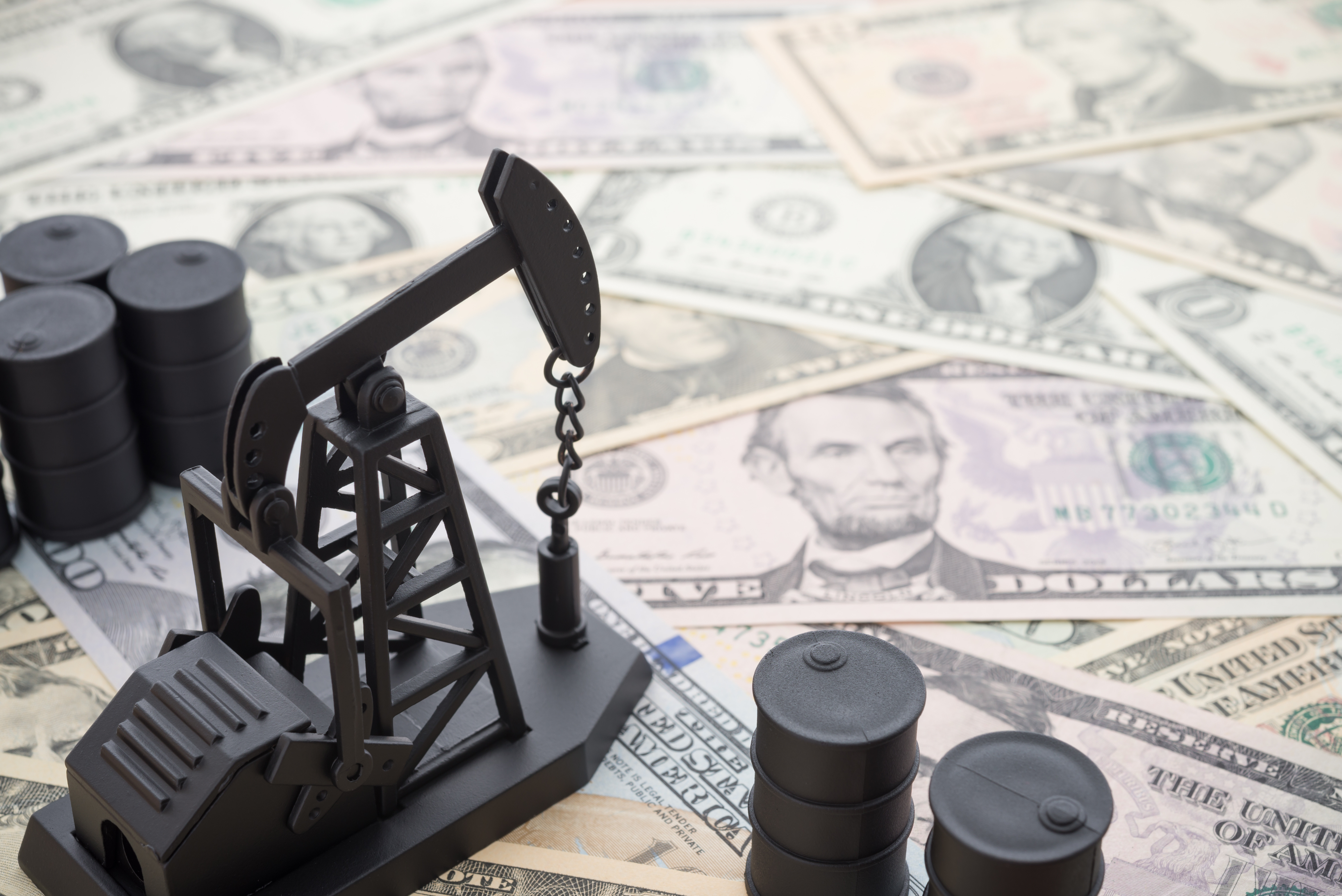
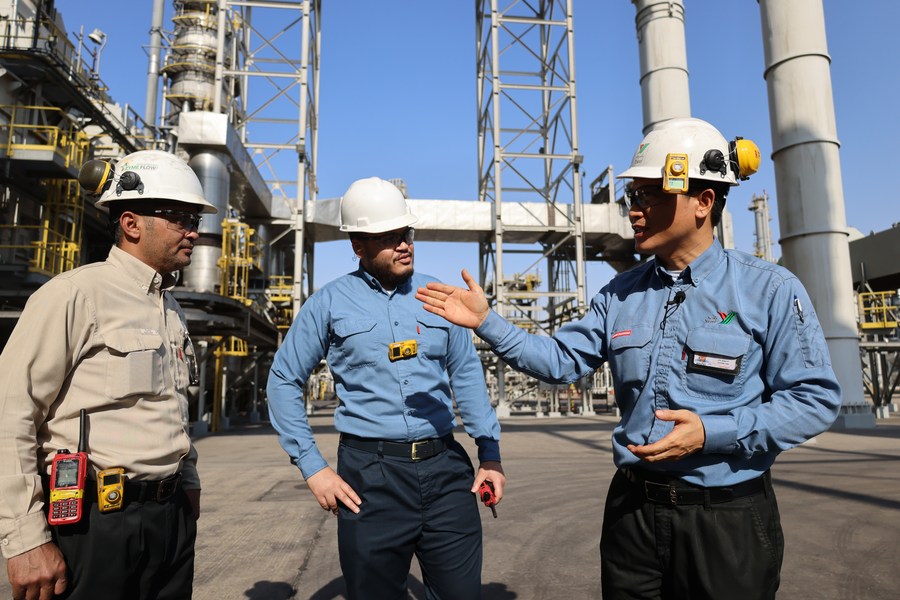
In this context, it is significant that President Xi’s visit to Saudi Arabia included among many economic initiatives and the proposal for using the Shanghai International Energy Exchange for trading oil using the Chinese RMB, also called the yuan. The days of the “petrodollar” seem to be numbered.
Given increasing concerns about U.S. hegemonism and the state of the U.S. dollar, “dedollarization” is a new trend. More and more international trade agreements and commercial transactions are being priced in currencies other than the dollar. Currency swaps to facilitate trade and settlements are increasing, for example, with the Russian ruble and Chinese RMB. Central banks are buying gold at a furious pace.
Will the global economy become bifurcated between two systems? Deglobalization and dedollarization are trends that raise this concern. A cooperative and stable global system is a better alternative than some sort of global economic Cold War.
Before the international financial hurricane hits with full force effective steps to promote international financial stability must be undertaken. World leaders must consider new innovative and inclusive arrangements. A new type of Bretton Woods system, which all sovereign states can agree upon and which will promote international peace and development, certainly is warranted in today’s uncertain international situation.
The article reflects the author’s opinions, and not necessarily the views of China Focus.